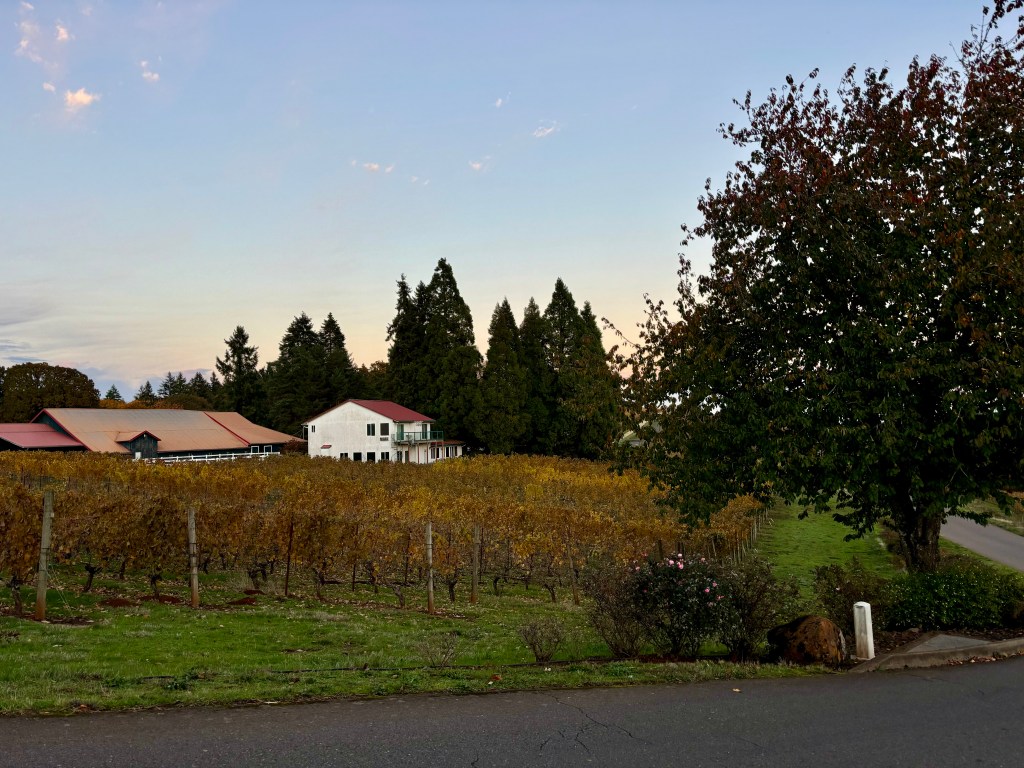
I worked my first wine harvest this past fall, and it was truly unforgettable. From forklifting bins of fruit to punch-downs in the cellar (and, of course, plenty of wine tasting), I learned an incredible amount about wine–especially what really goes on behind the scenes of production.
I’ll be honest, working in wine production is way different than I expected. In this post, I’m sharing what harvest life was actually like–the fun parts, the hard parts, and my biggest takeaways. Cheers!
the work & the hours
Harvest preparation
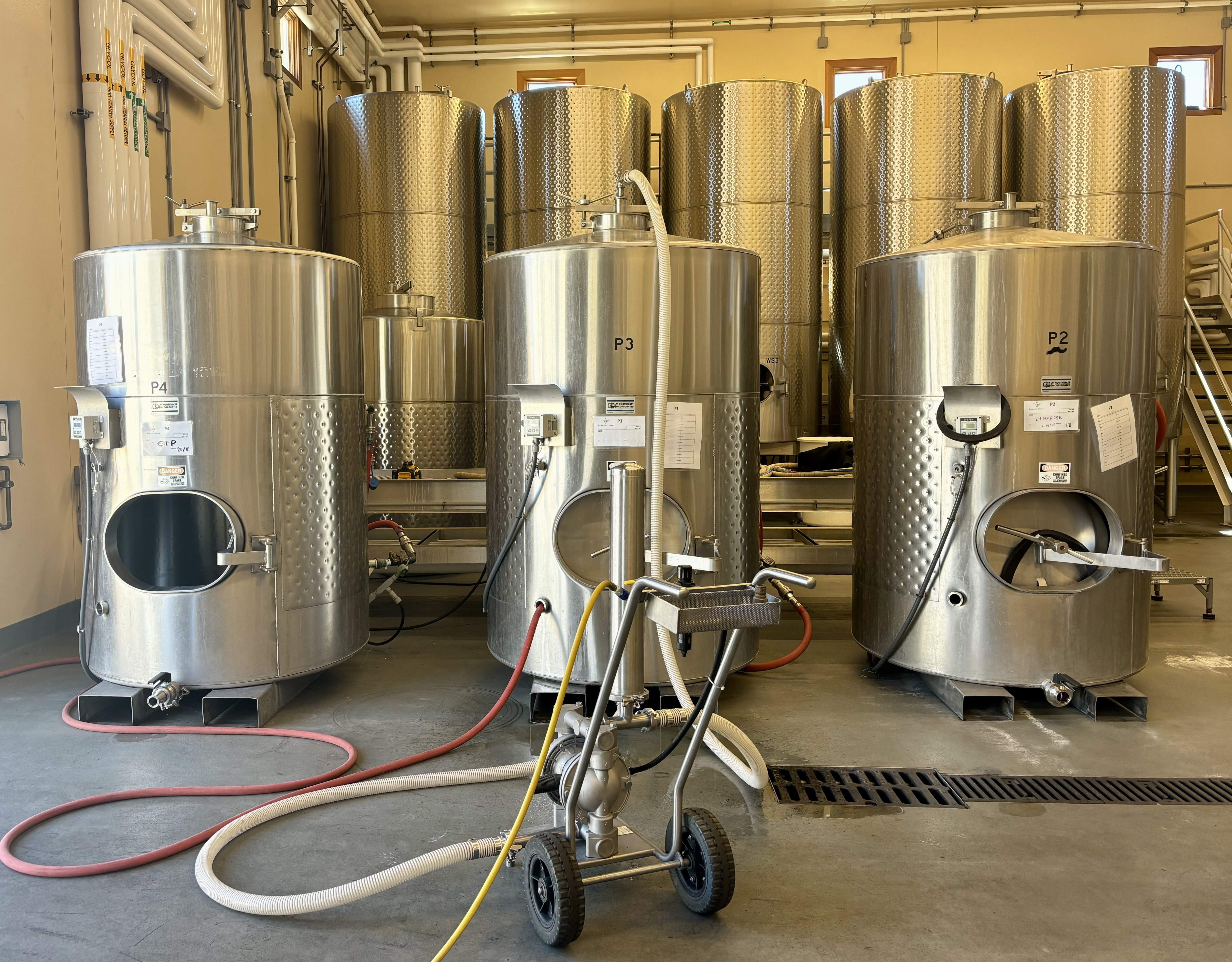
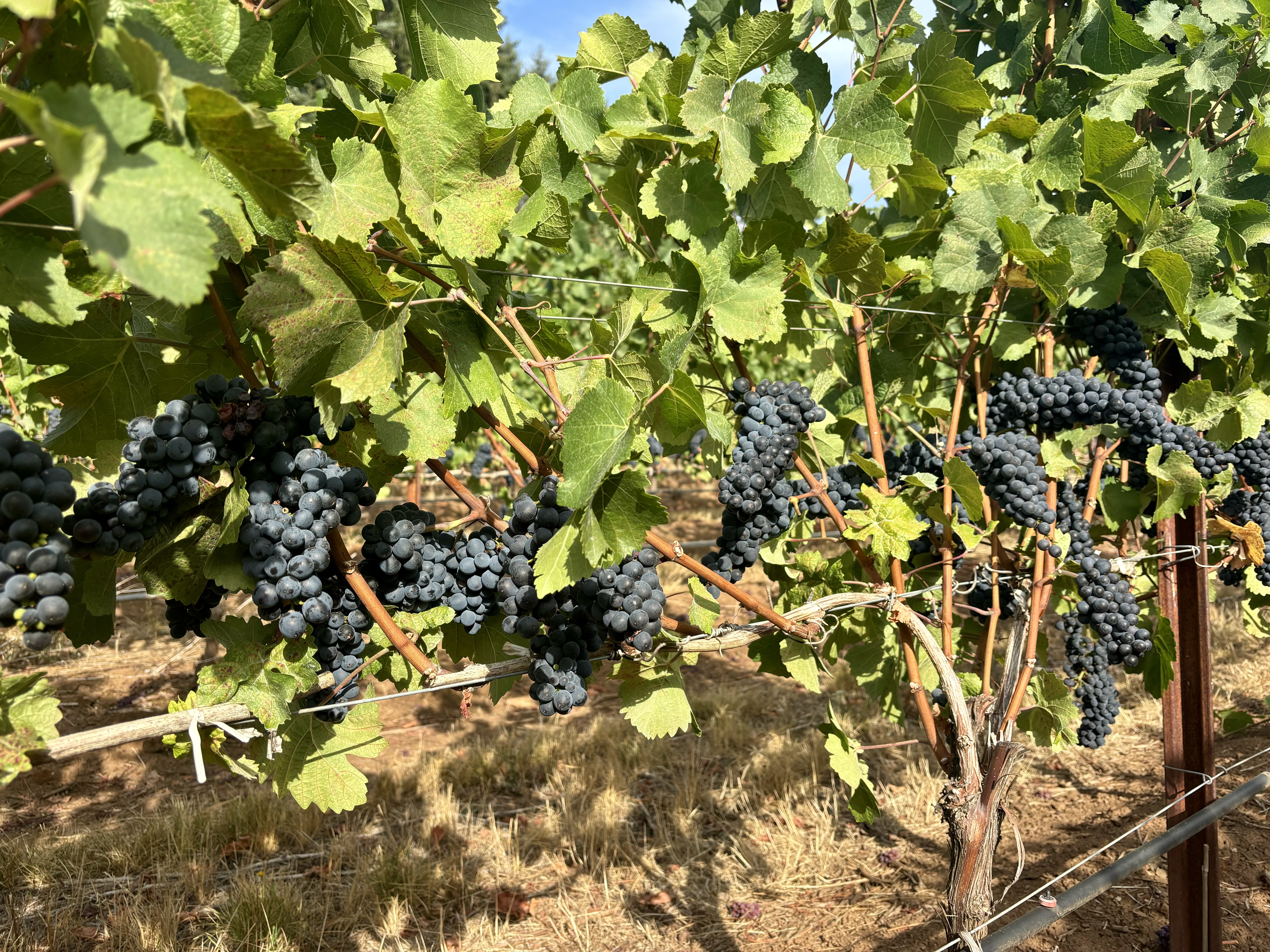
My internship began about three weeks before the first grapes arrived at the winery. This prep period was essential for learning the layout of the facility, completing safety training, and getting all equipment ready for harvest. Most of our time during these weeks was spent cleaning—tanks, hoses, pumps, floors—anything and everything. If it could be scrubbed, pressure-washed, or hosed down, we did it (read all about the harvest prep here).
We also spent time vineyard sampling, which meant heading out to the vineyards to collect grapes and assess ripeness. These first three weeks were standard 40-hour workweeks (8am–4pm), and I was very grateful for the slower pace before harvest chaos began.
Once fruit started coming in, things got hectic. This year happened to be one of the fastest and most intense harvests the Dundee Hills has seen in a while (lucky me!). The grapes ripened late, and harvest didn’t begin until mid-September. Then, everything seemed to ripen at once, which meant processing a huge amount of fruit in a very short window of time.
fruit processing
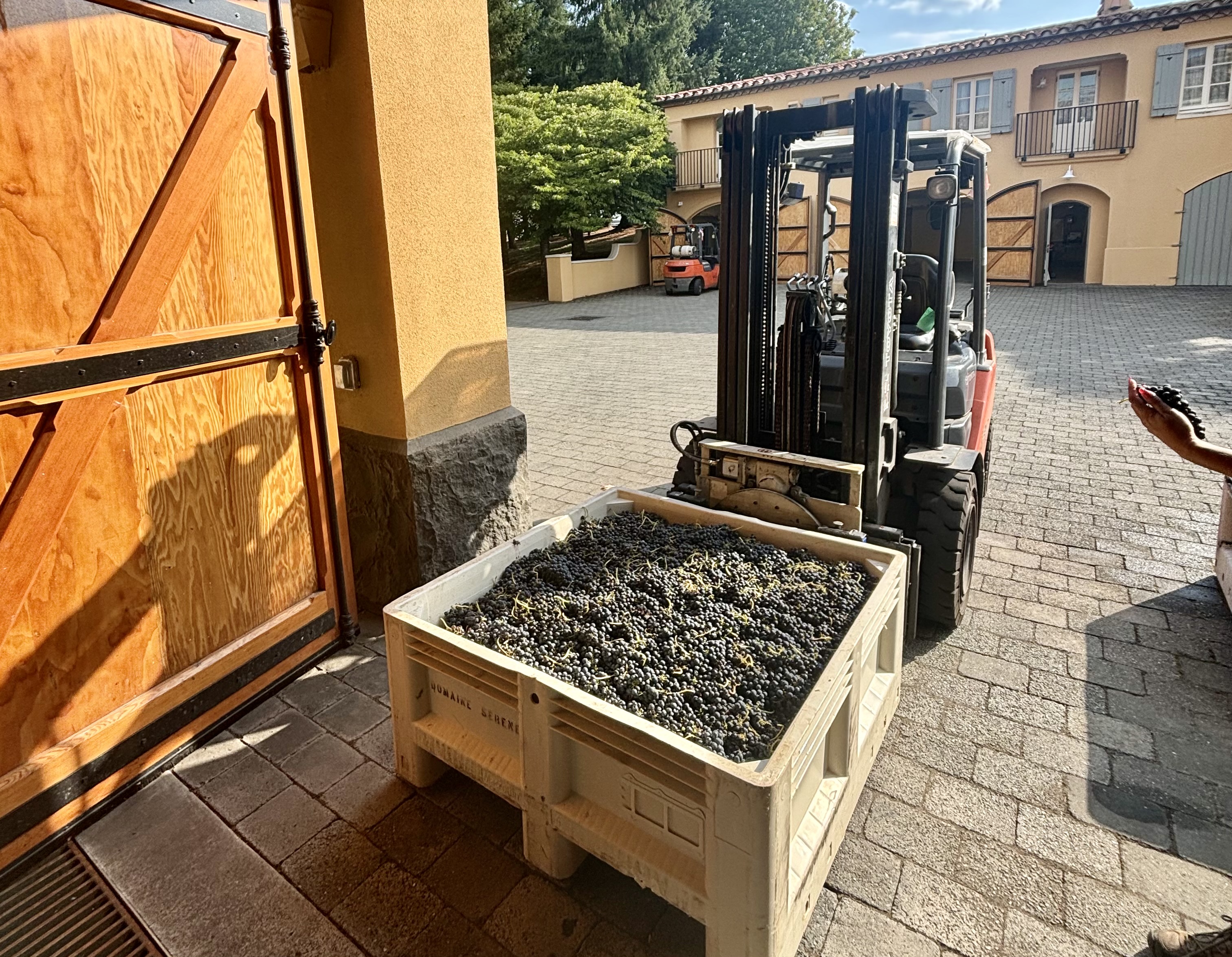
When harvest officially kicked off, our schedule jumped to 12-hour days, six days a week, for about a month. It was non-stop and very intense. During this time, my primary role was fruit reception: forklifting grape bins and dumping them onto the sorting line. It was fast-paced, high-pressure work, but it was a very important role.
cap management & cellar work
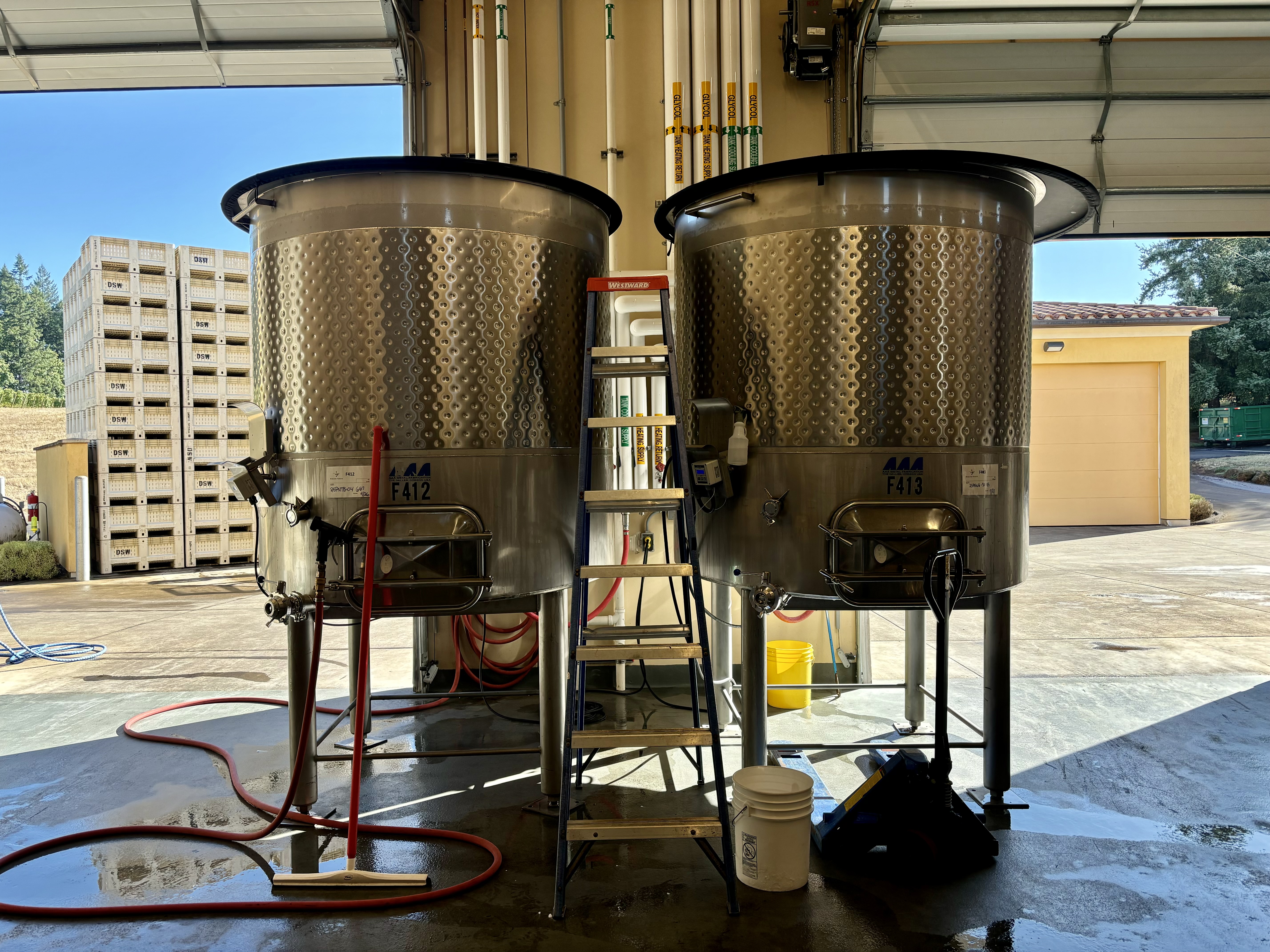

Once all the fruit was harvested, the focus shifted fully to fermentation and cellar work. Grapes were placed into large stainless steel tanks, where they began fermenting into “baby wine.” These fermentations require constant care—adding yeast and nutrients, monitoring temperatures, and keeping everything mixed through punch-downs and pumpovers. This phase is known as cap management.
At the same time, we were pressing grapes, racking wine (essentially filtering it), and sending finished fermentations down to barrels. The work was very physical, detail-oriented, and hands-on. Read more about how wine is made here!
post-harvest
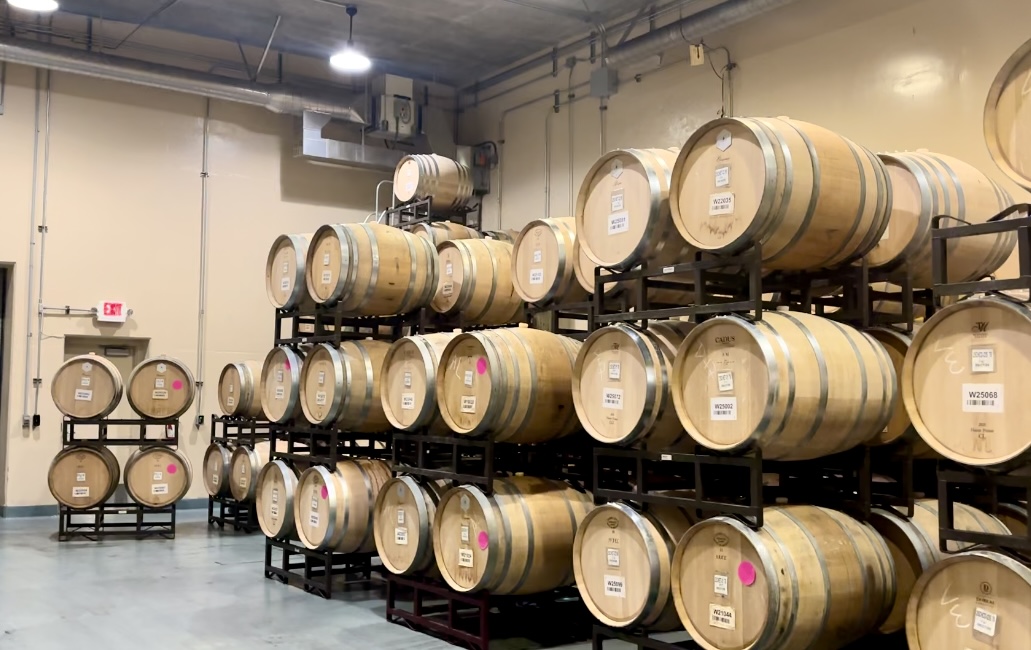
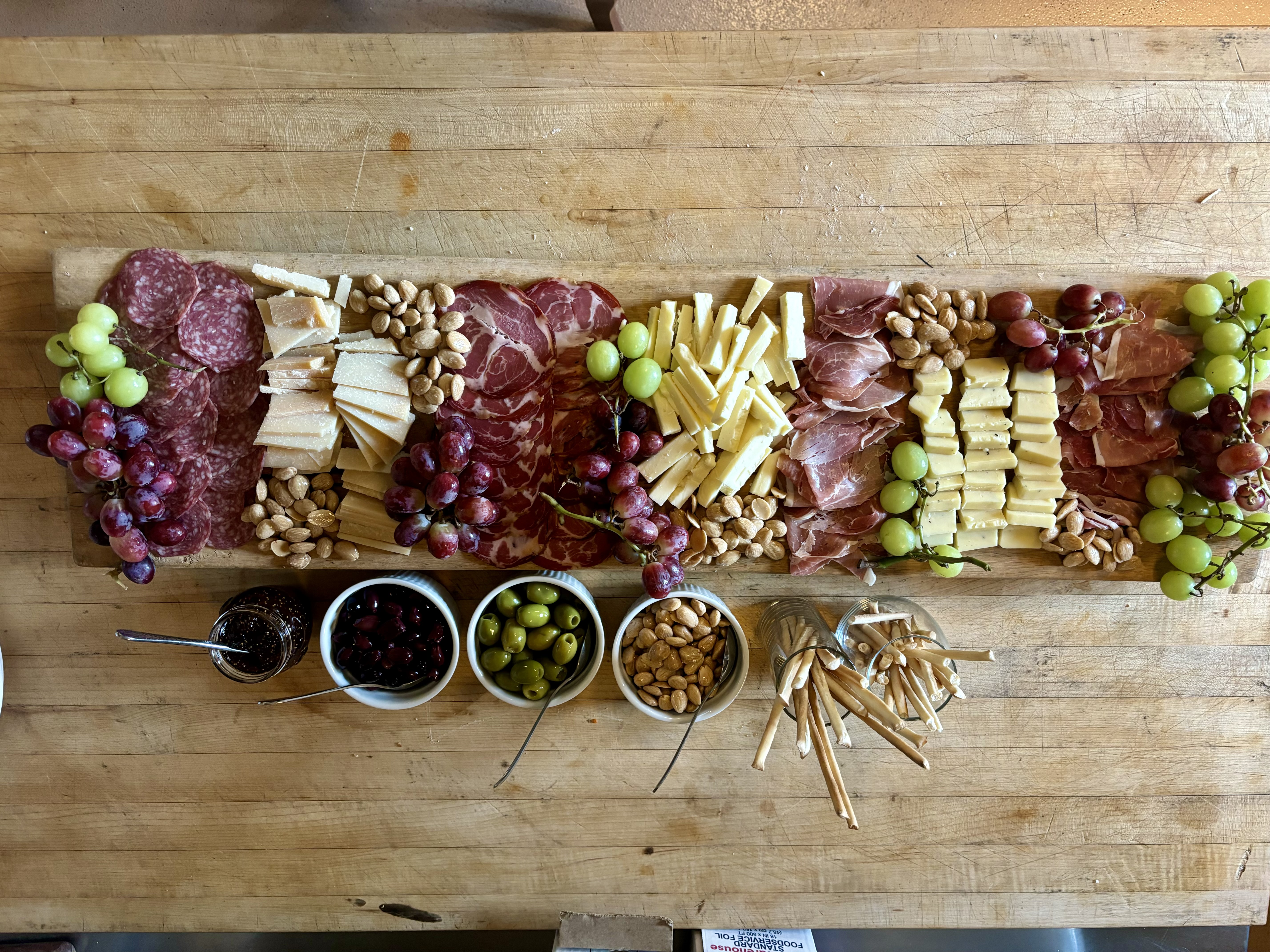
The final two to three weeks slowed down again, as the last fermentations wrapped up and wines were prepared for barrel aging. We returned to 40-hour weeks and spent much of our time cleaning, organizing, and moving wine into barrels. This phase also came with one major perk: harvest parties! Wineries around the valley love to celebrate the end of harvest–it is a huge accomplishment!
Living on-site
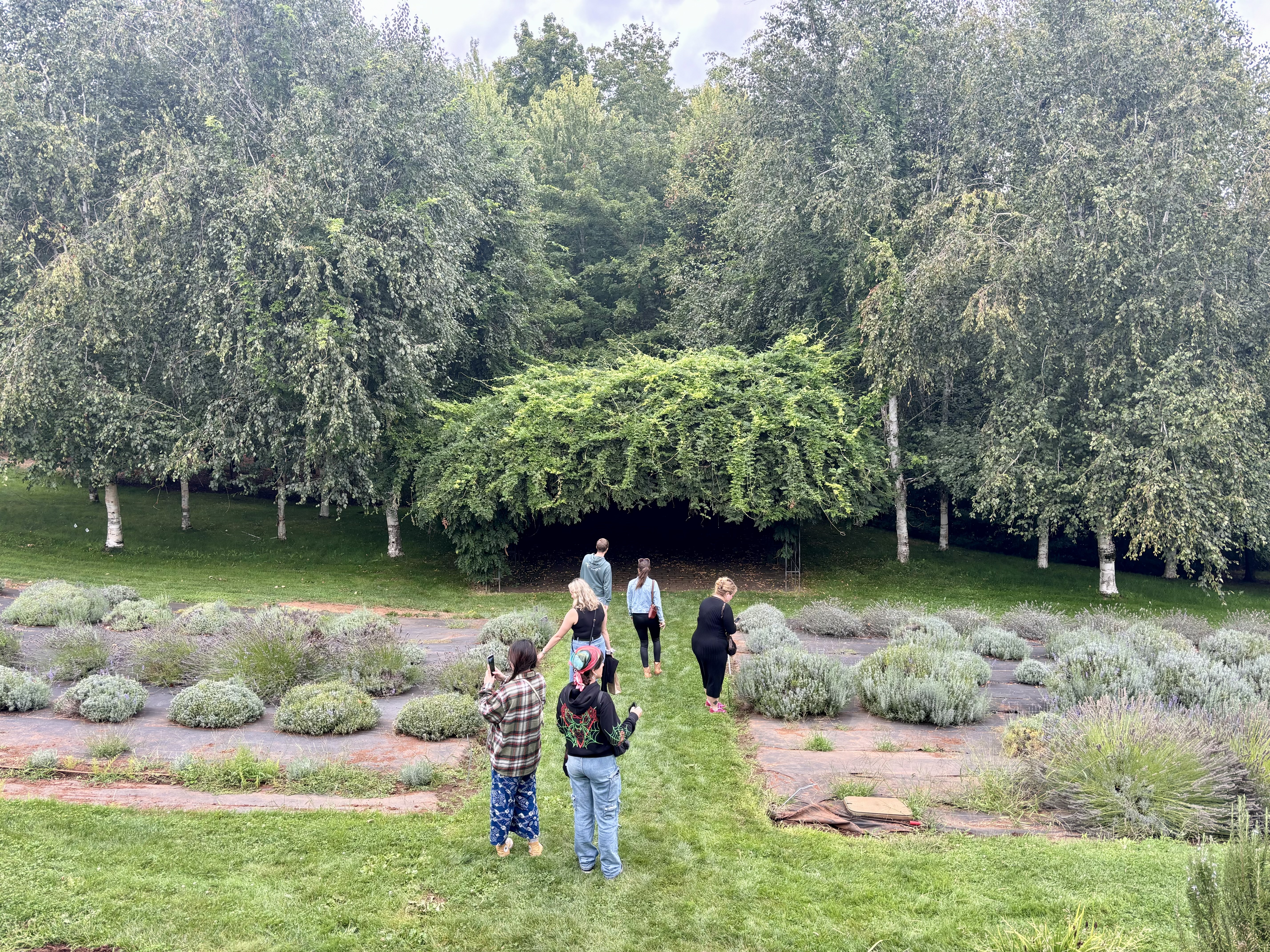
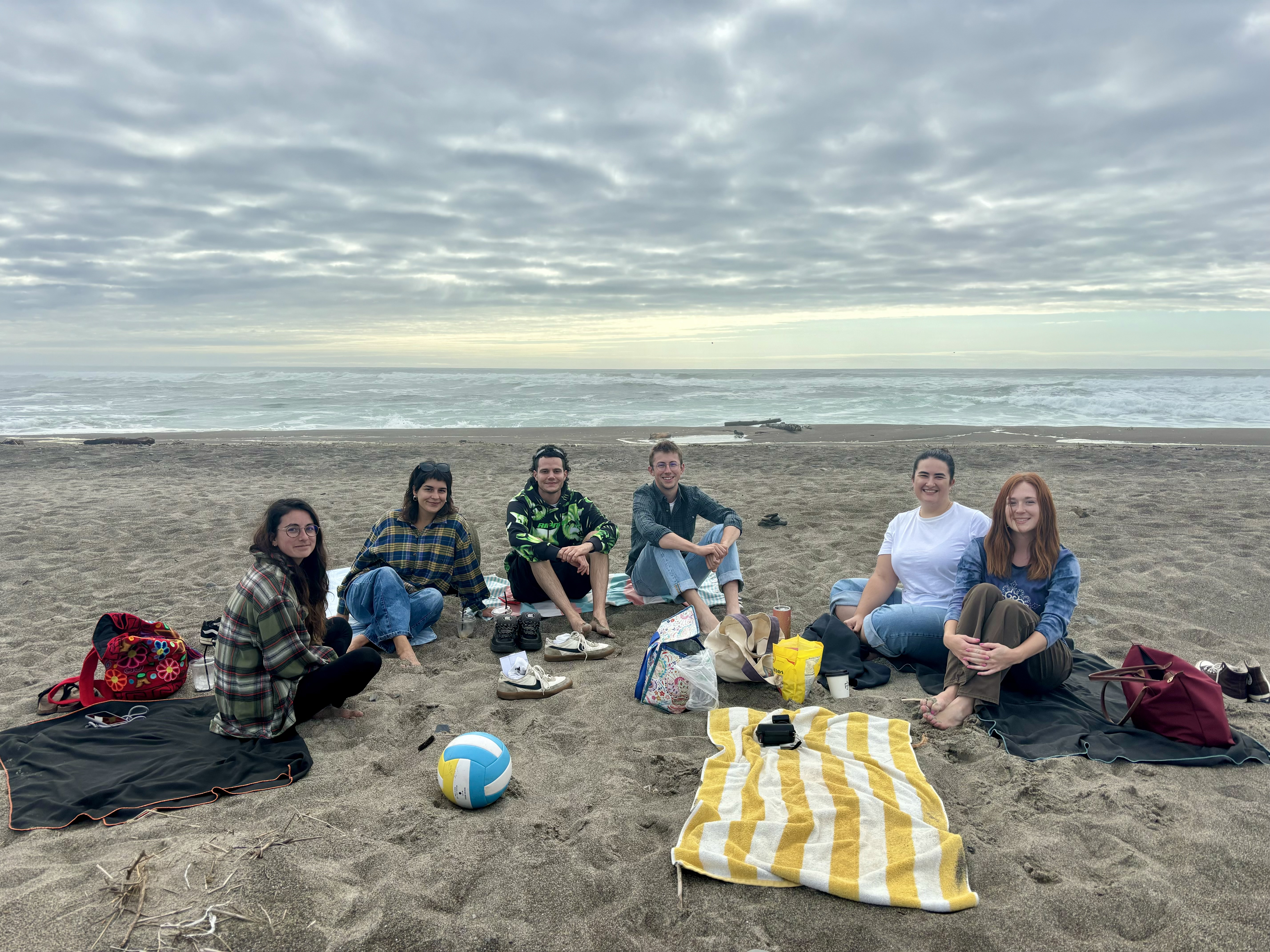

The winery offered on-site housing for harvest interns, which is actually pretty common—and an amazing benefit, especially for travelers or anyone looking to save on rent (me). Living on-site made the experience incredibly immersive and helped build strong relationships within the team. When we were working 12-hour days, six days a week, being a 10-minute walk from work was a lifesaver (even if I usually drove up the hill anyway lol).
That said, living on-site came with both pros and cons. It felt a bit like hostel life: everyone had their own bedroom, but we shared bathrooms, a kitchen, and common spaces. It was a lot of fun bonding with my coworkers—most nights we’d hang out, drink wine, and decompress together. Living and working with people from different cultural backgrounds and wine experiences was one of the most rewarding parts of the harvest.
However, it was also very intense. It felt like living in a bubble for two months, and as an introvert, I struggled with the lack of alone time. Between long workdays and communal living, there were few chances to truly rest or reset. Definitely something to keep in mind if you ever consider working a harvest yourself.
the fun & the not-so-fun
favorite tasks
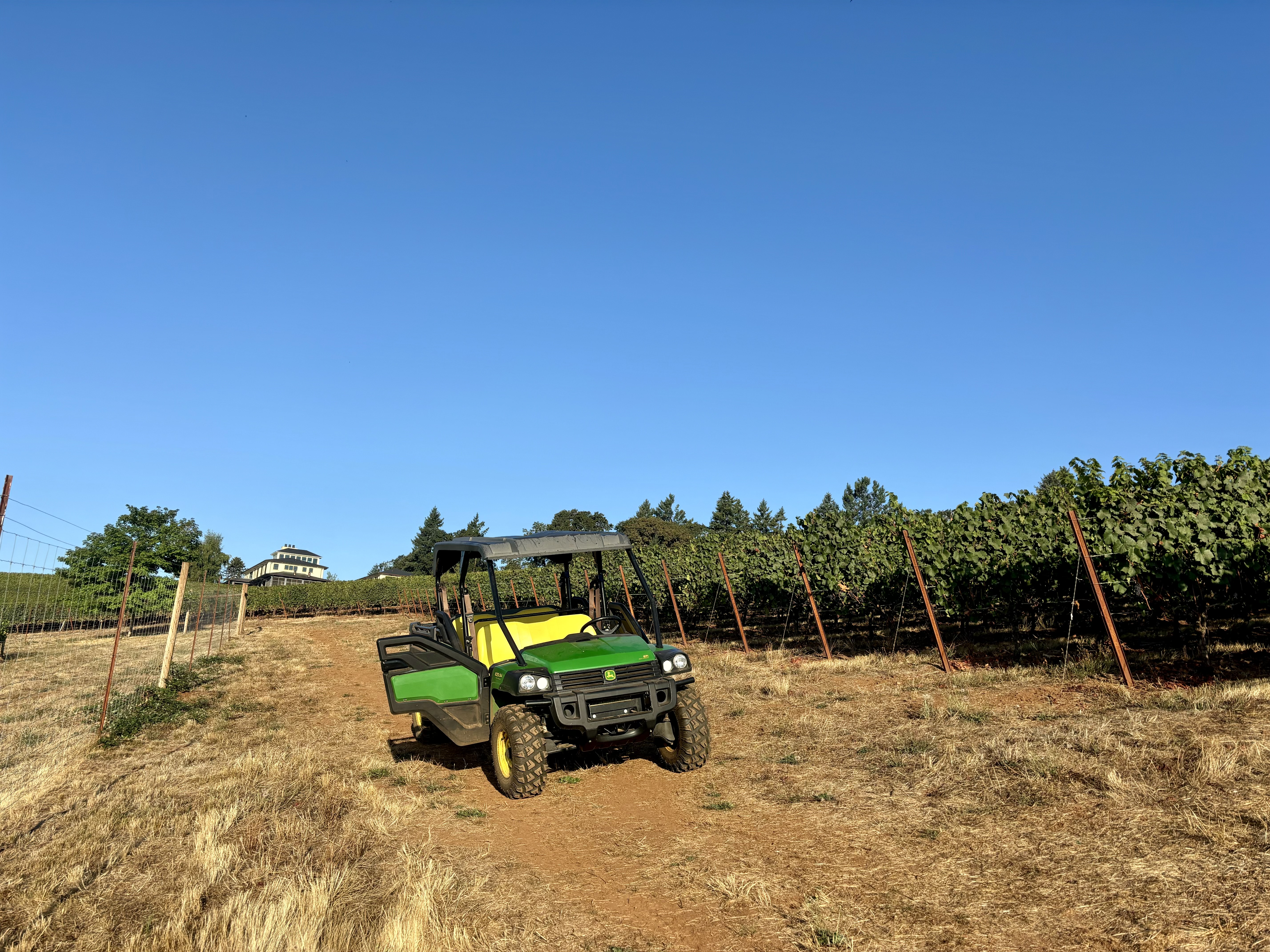

My favorite part about the job early on was sampling in the vineyard before the harvest. We would take the ATV out into the Dundee Hills in the early morning and walk through the vineyards, collecting samples of the grapes. The landscape is absolutely gorgeous and it was very cool to be able to see the grapes developing on the vine (fun to taste-test, too!).
I also loved working with barrels. Early in harvest, we hydrated new barrels in preparation for filling them, which I surprisingly enjoyed. My absolute favorite task, though, was barrel-downs—filling barrels with wine right up to the top without overfilling them. It was oddly satisfying and felt like a fun challenge every time.
community & exploring the valley

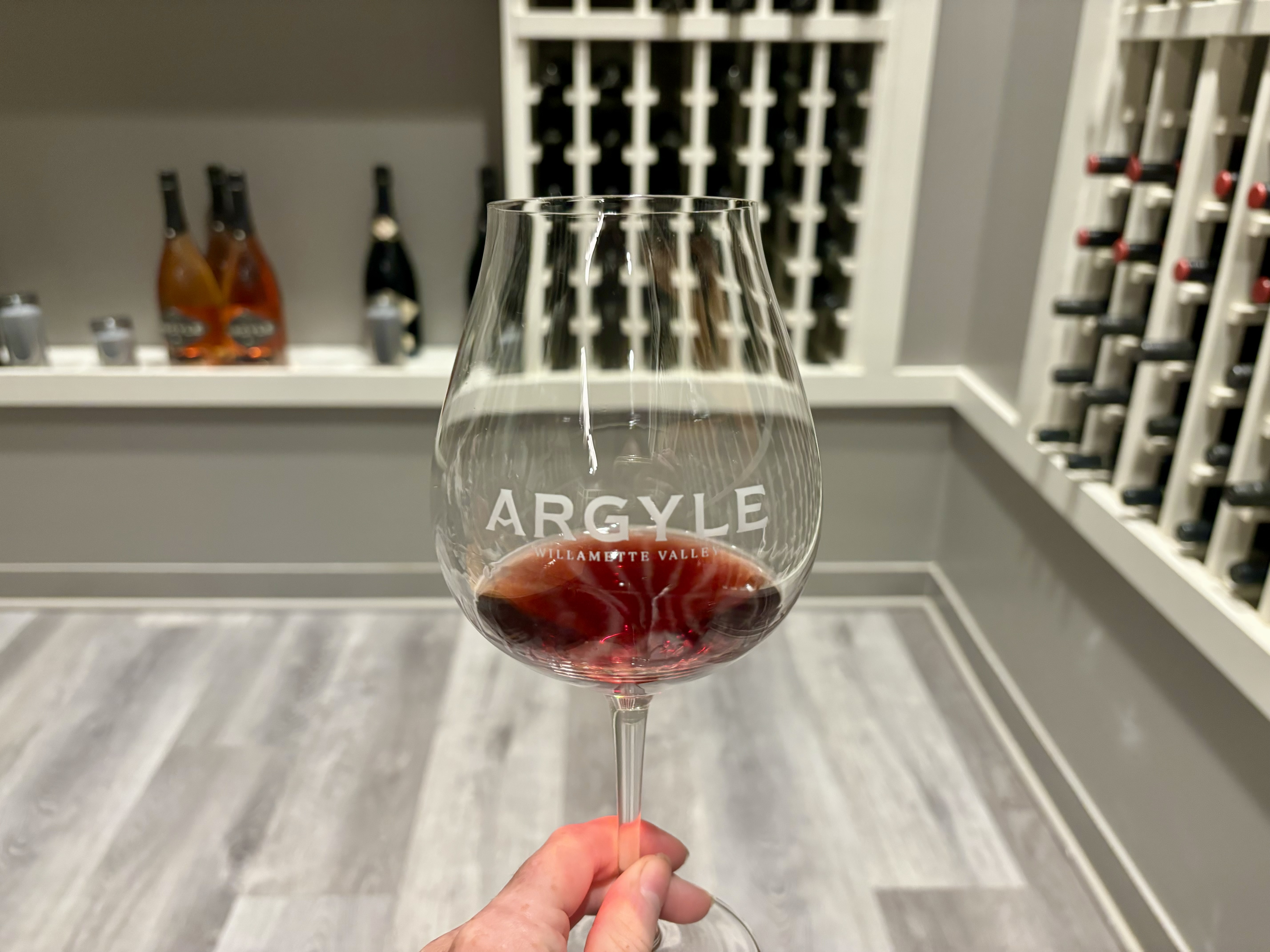

Connecting with other people in the wine industry during the harvest was another highlight. It was awesome working with a team of interns around my age and sharing our different cultures and experiences with wine. It was also fun having our own post-work team celebrations and going to harvest parties around the Valley. One of the best memories I have is going to a line-dancing barn party with the team. 🙂
We also did several tastings and cellar tours at other wineries in the area, and I am very grateful for the opportunity to have done this. It’s amazing how different the wines are from each winery, even if they are right next to each other!
growing my wine knowledge
More than anything, this harvest significantly expanded my understanding and knowledge of wine, especially pinot noir and chardonnay. From vineyard practices to fermentation decisions to tasting and identifying different styles, I learned so much in a short amount of time. Being surrounded by wine daily sharpened my palate and made tasting more intentional and meaningful. Wine becomes far more exciting when you understand what you’re tasting and why.
long hours & reality checks

Now for the not-so-fun…
The long hours were no joke. During peak harvest, life boiled down to work, eat, sleep, repeat. While the pace was exhausting, it was also thrilling. That rush is a factor that draws many people to winemaking. Still, it’s a lifestyle that demands a lot, both physically and mentally.
The winery environment itself was also more intense than I expected. It’s a workplace that requires lots of safety measures, with heavy machinery, loud equipment, harsh chemicals, and an unbelievable number of bugs (I became much more comfortable with wasps, spiders, and earwigs than I ever planned to).
key takeaways


My biggest takeaway from harvest was gaining a true, hands-on understanding of how wine is made. Reading about fermentation is one thing, and doing punch-downs at 7am is another. I also developed a deeper appreciation for Willamette Valley wines through tastings and tours, and I made friendships that I’ll carry with me far beyond harvest.
I now have a whole new respect for the work behind every bottle of wine. Would I do another harvest? Yes! Though next time, maybe at a smaller, lower-intervention winery. I’m especially curious to experience natural or biodynamic winemaking and see how different philosophies shape the final product.
Never stop drinking wine and supporting the industry 🍷
Thanks for reading 🙂
 Caffeine & Chianti
Leave a comment