Coffee: one of the world’s most beloved drinks. There’s honestly nothing better than waking up in the morning and treating yourself to a warm (or iced) cup of coffee to start the day. I look forward to it every single morning.
But have you ever stopped to think about where your coffee actually comes from? It’s not grown in the continental United States, and it definitely didn’t start out as the roasted brown beans we all picture when we hear the word coffee. So how does it end up as a latte in your cup?


As someone who genuinely loves coffee, these are questions I only recently started asking myself. And once you begin learning about coffee, you quickly realize just how much goes into it. It’s not just grinding beans, steaming milk, and pouring pretty latte art.
Coffee is a massive global industry, but it’s also an art form—one shaped by agriculture, climate, science, sourcing, roasting, and craftsmanship. Learning about coffee helps you better appreciate not only what you’re drinking, but also the people and processes behind it.
We’re currently living in what’s called the “third wave of coffee,” an important term in specialty coffee culture. This movement treats coffee as an artisanal craft product rather than simply a commodity. There’s now a stronger focus on sustainability, single-origin coffees, direct trade relationships, and higher quality beans. Lighter roasting styles have also become more popular because they allow the unique characteristics of each coffee to shine through.
In this post—which I’m very excited about, by the way—I’ll be breaking down some coffee basics every coffee drinker should know. These are things I’ve learned through conversations with local Portland roasters, coffee tastings, and my own research.
I’ve broken this post into three sections: sourcing, processing, and roasting. I’ll also touch on coffee cupping, which is the industry-standard method for tasting and evaluating coffee.
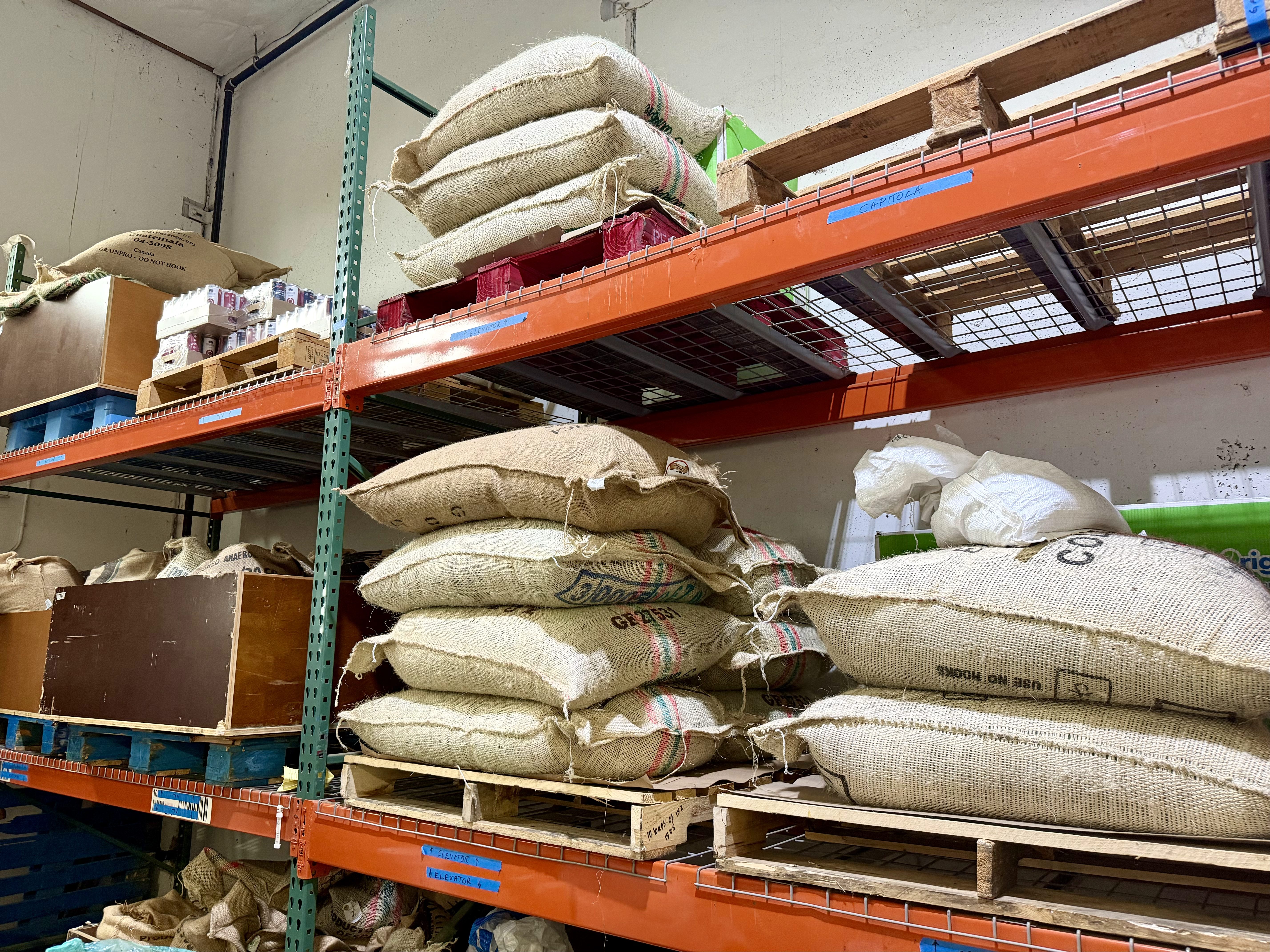
And yes, I apologize for the lack of photos. I try to use only my own photography on the blog, but I included a basic map and some pictures I’ve taken myself along the way.
Let’s get into it! ☕
sourcing
Coffee is a plant… obviously. But what I didn’t realize until recently is that coffee is actually a fruit that grows on trees, actually known as the “cherry.”
Coffee grows within the “coffee belt,” the equatorial region between the Tropics of Cancer and Capricorn, where warm temperatures, rainfall, and elevation create ideal growing conditions.

(Map taken from this site).
The major coffee-growing regions include:
Central & South America
Guatemala, Colombia, Brazil, Costa Rica, Mexico
Africa
Ethiopia, Kenya, Uganda, Ivory Coast
Asia & Pacific
Vietnam, Yemen, Indonesia
Islands
Puerto Rico & Hawaii
Like wine, terroir plays a huge role in coffee.
Terroir refers to all the environmental factors that influence how an agricultural product grows: climate, soil, rainfall, altitude, geography, and more. Every region (and even smaller subregions within them) produces distinct flavor profiles.
Elevation also has a major impact on flavor. Higher elevations cause coffee cherries to develop more slowly, which leads to denser beans, brighter acidity, and more complex fruit-forward aromatics. Lower elevations often produce softer, earthier coffees with more chocolate and nutty notes.
There are two primary species of coffee grown commercially:
Arabica
Generally grown at higher elevations. More delicate and complex, often showing sweeter, smoother, fruit-forward flavors.
Robusta
Usually grown at lower elevations. Stronger, earthier, more bitter, and often higher in caffeine.
If you’re drinking coffee, your most likely drinking Arabica. The vast majority of roasters use it because of its more nuanced flavor profile.
processing
Once coffee cherries are harvested, the fruit must be removed and the beans dried before roasting can begin.
There are many processing methods used around the world, but the two main styles are natural and washed. Neither is “better” than the other. Both can produce incredible coffees with very different characteristics.
natural process
The natural process is the oldest method.
With this style, the coffee cherry remains intact while drying in the sun. During drying, the fruit naturally ferments around the seed, allowing sugars and fruit characteristics to influence flavor.
The cherries are regularly turned and monitored to prevent spoilage. Once the desired moisture level is reached, the dried fruit and sticky mucilage layer are removed.
Natural coffees are often:
- sweeter
- fruitier
- fuller-bodied
- lower in acidity
- slightly “funkier”
washed process
With washed coffees, the fruit is removed shortly after harvest.
The beans are then fermented in water tanks using naturally occurring yeast and bacteria, which helps break down the remaining mucilage before the beans are washed clean and dried.
Washed coffees are typically:
- brighter
- cleaner
- more acidic
- more transparent in flavor
honey process
There’s also a middle-ground method called honey processing.
With this technique, the fruit is removed but some of the sticky mucilage remains during drying, resulting in a sweeter and more textured cup.
After processing, green coffee is sold to exporters and importers before eventually reaching roasters. Many specialty roasters also work directly with farms through direct trade relationships.
cupping


Coffee cupping is the industry-standard method used to taste and evaluate coffee quality.
Roasters, importers, and buyers use cupping to compare coffees, assess roast profiles, and make purchasing decisions.
I recently sat down with Autumn Coffee Roasting owner Andrew to learn the basics of the process (roaster feature coming soon!).
The process begins by smelling freshly ground coffee before hot water is added. Tasters then evaluate the coffee multiple times as it cools.
General cupping steps:
- inspect the beans
- grind and smell
- add hot water
- allow the coffee to steep
- break and remove the crust
- taste repeatedly as the coffee cools
And yes—the slurping is intentional. Slurping sprays the coffee across the palate, helping tasters better evaluate acidity, sweetness, body, and aromatics.
The Specialty Coffee Association has exact standards for timing, measurements, and water ratios, but the main thing to know is that cupping is one of the most important quality-control tools throughout the coffee industry.
roasting

After all of the farming, harvesting, processing, and shipping… roasting is the final step before brewing.
This is where coffee becomes especially creative. Roasting coffee requires balancing time, temperature, airflow, and bean development to bring out the best characteristics of each coffee. Some roasters exclusively roast wholesale coffee for cafes, while others also operate their own coffee shops.
For example, a coffee shop might serve beans roasted by another local company (an example in Portland is The Stacks Coffeehouse serving Pasttime Coffee), while some roasters (like Coava and Heart, also both in Portland) roast their own coffee and operate cafes serving it directly.
So next time you visit your favorite coffee shop, take a look at the beans they use. Are they roasting in-house? Or sourcing from another roaster?


Roasting begins with green coffee beans, which are heated in small batches.
As the beans heat:
- moisture evaporates
- sugars and amino acids break down
- aromas and flavors develop
- the beans expand physically
Around the 8-minute mark (depending on the roast), the beans reach what’s called “first crack,” the point where they audibly pop and become brewable coffee.
A darker “second crack” can occur later in the roast, creating bolder, smokier, more oily coffees, though most specialty roasters stop before reaching this stage. Once roasting is complete, the beans are cooled and sorted before being packaged and brewed.
final thoughts


If you made it this far, I hope you now have a better understanding of coffee–from plant to latte. And honestly, this only scratches the surface. Coffee is one of those subjects where the more you learn, the more you realize how much there still is to know.
Sometimes it’s easy to go through the motions of ordering a latte while chatting with friends, working, or reading in a cafe. But behind every cup is an enormous amount of labor, agriculture, craftsmanship, and intention.
So next time you stop by your favorite cafe or roaster for your daily coffee, I hope you feel just a little more curious, and maybe a little more appreciative, about what’s in your cup.
Stay tuned for more caffeine adventures ☕
Thanks for reading 🙂
Sources & Further Reading
Difference between natural, honey & washed processing
Natural vs washed processing & why the industry shouldn’t have a favorite
Leave a Reply